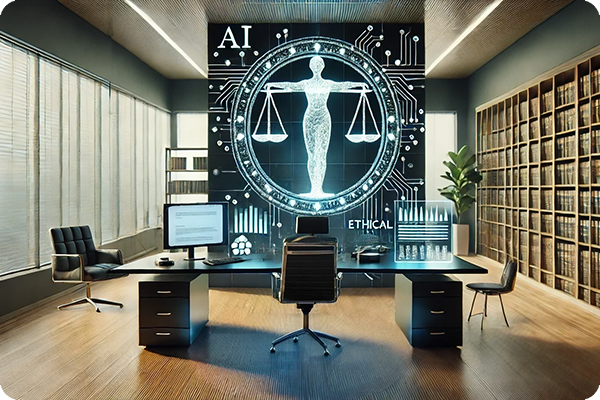
Content for AI training, or machine learning training, may have copyright restrictions. The engineering team must ensure that all data and assets are copyright cleared when they train an AI model for commercial use.
This discussion explores opportunities to use Creative Commons licenced assets as content for AI training.
Creative Commons content provides freely accessible materials for AI developers, potentially avoiding copyright issues. By using CC licensed content, developers can access high-quality data for machine learning models.
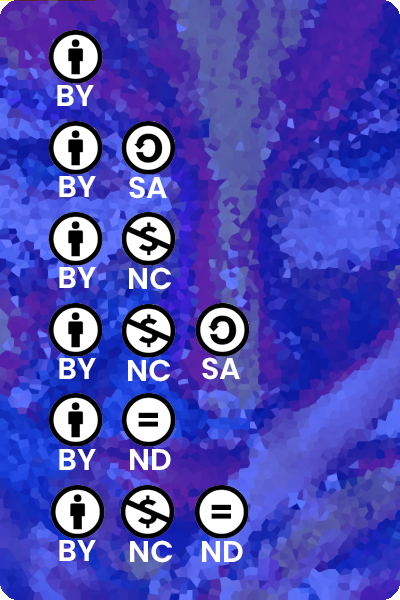
However, these licences come with conditions such as attribution, restrictions on commercial use, and limitations on modifications.
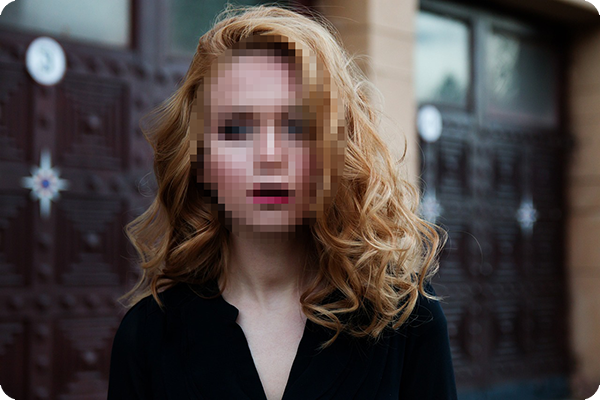
While CC licenses address copyright, they don’t cover privacy concerns. If a dataset includes personal data, such as an image of a person’s face, developers must comply with privacy laws, as CC licenses won’t protect against violations.
Users must consider both privacy and copyright as separate issues when using Creative Commons content.

Upload your photos, videos, or other assets to TikBox. You do not need to install any additional software. In the admin panel, select "Multiple Assets" and upload your files.

TikBox provides summaries of each Creative Commons licence so you can choose the best one for you. CC is a great choice if you want to share your content widely without receiving payment.

After reviewing the licence summary, click "Done." A PDF licence will be generated for your records. Your licensed content, complete with embedded metadata, is now ready for download, sharing, and AI training
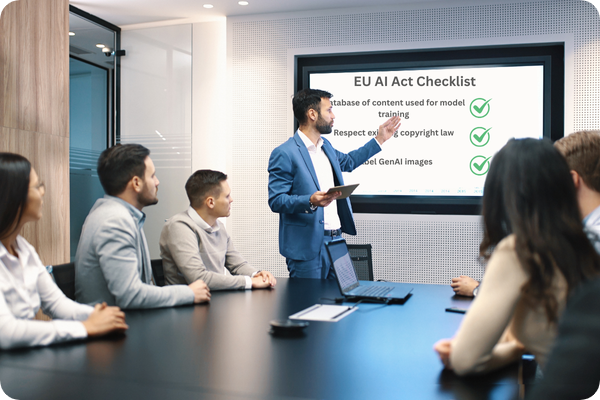
The EU AI Act enforces strict rules, especially for high-risk AI systems. Developers must document the datasets used, including Creative Commons content sources and licenses. The Act emphasises transparency, meaning developers need to comply with CC licenses and broader ethical and legal standards.
Developers should clearly track the origins and modifications of the datasets they use.
Creative Commons licenses can apply to content generated by AI. For example, you can apply a CC license to the creative part of an AI-generated image if it involves human input.
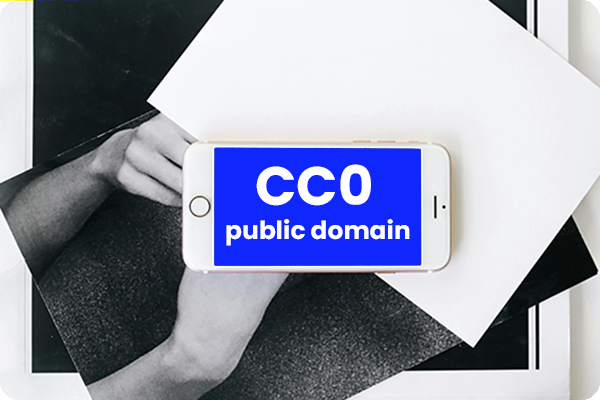
For AI-generated works without significant human contribution, using CC0 is recommended to place the content in the public domain.
However, CC licenses don’t address issues like privacy, consent, or fair compensation. These concerns go beyond copyright law and require broader legal frameworks.
CC licenses offer legal protection for copyright, but they don’t cover AI’s broader ethical challenges. Developers must consider privacy, bias, and fairness when training AI models.
Ignoring these issues risks undermining both ethical AI development and the growth of the commons that Creative Commons supports.

Yes, but they must follow the specific terms of the licence. For example, CC BY requires attribution, while CC BY-NC prohibits commercial use.
Creative Commons licenses address copyright, not privacy. If the content includes personal data, developers must comply with privacy regulations.
CC BY and CC0 are the most suitable licences for AI training, as they permit both modifications and commercial use – essential requirements for many AI projects. However, it’s important to stay informed about ongoing discussions regarding the freedom to train AI using CC licenced works, because you may have to ensure that Share Alike and copyleft obligations are upheld for users of the trained models and AI generated outputs through appropriate contractual agreements.
Yes. The EU AI Act requires transparency and accountability in AI training. Developers must comply with both the Act and CC licence terms.
No. While following CC licenses helps with copyright, developers must also consider privacy laws and other regulations, especially when using datasets with personal data.
I think the biggest gain here is having an automated end-to-end process, where we know we are using generative AI ethically and content and creatives are labelled in the correct way, without us having to spend time, effort or thought on this process. We deeply appreciate the ease of use and how a very complex process can just run quietly in the background.
The TikBox platform offer a good alternative to the current route of licensing through a stock image library, especially if you want control of the client transactions. It also allows for direct transactions and licensing with a client without involving a stock library.