
License photos and license images are essential for commercial use, as they help protect your copyright and ensure fair compensation.
This guide outlines how to license photos and images effectively and establish clear agreements with clients.

Upload your photo or image on TikBox, there is no need to install any software on your PC.
Follow the online prompts to create a licence. Our technology will take top level information from the agreement and add it as a metadata.
Hit the "Done" button at the end of the workflow, and your asset will be ready to download in the Assets section. You can track your royalties and image usage in the Assets section too.
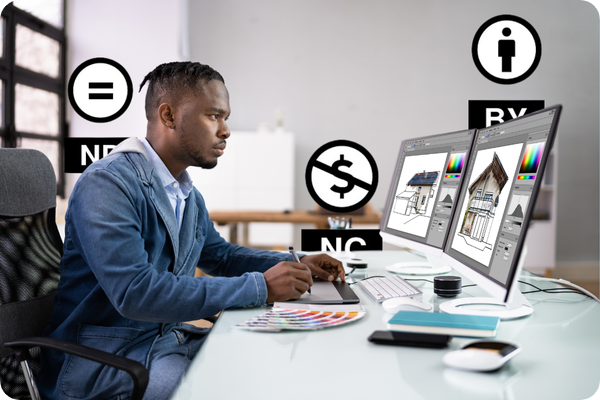
Before licensing your photos, know the options available. Royalty-Free (RF) licenses allow clients to use photos multiple times for a one-time fee, perfect for non-exclusive uses like blogs.
Rights-Managed (RM) licences offer specific usage rights, often costing more, with terms based on factors like duration and location. Exclusive Licences grant one client sole usage rights for a period, while Creative Commons licences allow free use with certain conditions, such as attribution.
Your licensing agreement defines how clients may use your photo, including duration, usage, and territory. If you require exclusivity, adjust the pricing accordingly.
Tools like TikBox help create clear agreements and add visible or invisible watermarks to your asset for protection. TikBox also allows you to track licensing arrangements, and automatically collects any associated fees.
You can tailor photo licensing to fit different needs. For example, web and digital marketing often use royalty-free licenses for flexibility, while editorial publications may prefer rights-managed licenses for one-time use in specific regions or editions.
Advertising agencies might request exclusive licenses to ensure their campaign visuals are unique, and non-profit organisations often use Creative Commons licenses for free or low-cost content with proper attribution. Each use case offers opportunities to monetise your work while giving clients the rights they need.

Photo licensing is when you grant specific rights to others to use your photos, while keeping ownership of the images. It’s important because it allows you to earn money from your work without losing control over how it’s used
TikBox is a tool designed to make photo licensing easier for creators. It helps you manage copyright issues, easily create licensing agreements, and add encrypted metadata , as well as watermarks to your images to assert your copyrights, and provide easy ways to license.
This is a complex question. The ownership of AI-generated images often depends on the terms set by the AI platform used to create them. Many platforms, like Midjourney and DALL-E, allow users to commercially use images generated under certain conditions, typically requiring a paid subscription. However, although UK law allows for copyright in ‘computer-generated works’, the author must be human. But in the case of generative content, it is hard to know who the author is: the person who designed the prompt, the people who designed the AI software which generates the image, or the people that own the copyright to the images used to train the AI which generated the art work? The legal landscape surrounding the copyright and ownership of AI-generated photos is still evolving.
You can use reverse image searches to track where your photos are used, add watermarks, and register your images with copyright offices for added legal protection. TikBox makes it easier to assert your copyrights, monetise your assets, and track licensing.
Yes, you can license your photos for editorial use, such as in newspapers, magazines, or online publications. Editorial use typically falls under an RM license, as the client pays a fee based on the specific usage. Be sure to specify in your licensing agreement that the images are for editorial use only and cannot be used for commercial purposes without additional compensation
I think the biggest gain here is having an automated end-to-end process, where we know we are using generative AI ethically and content and creatives are labelled in the correct way, without us having to spend time, effort or thought on this process. We deeply appreciate the ease of use and how a very complex process can just run quietly in the background.
The TikBox platform offer a good alternative to the current route of licensing through a stock image library, especially if you want control of the client transactions. It also allows for direct transactions and licensing with a client without involving a stock library.